
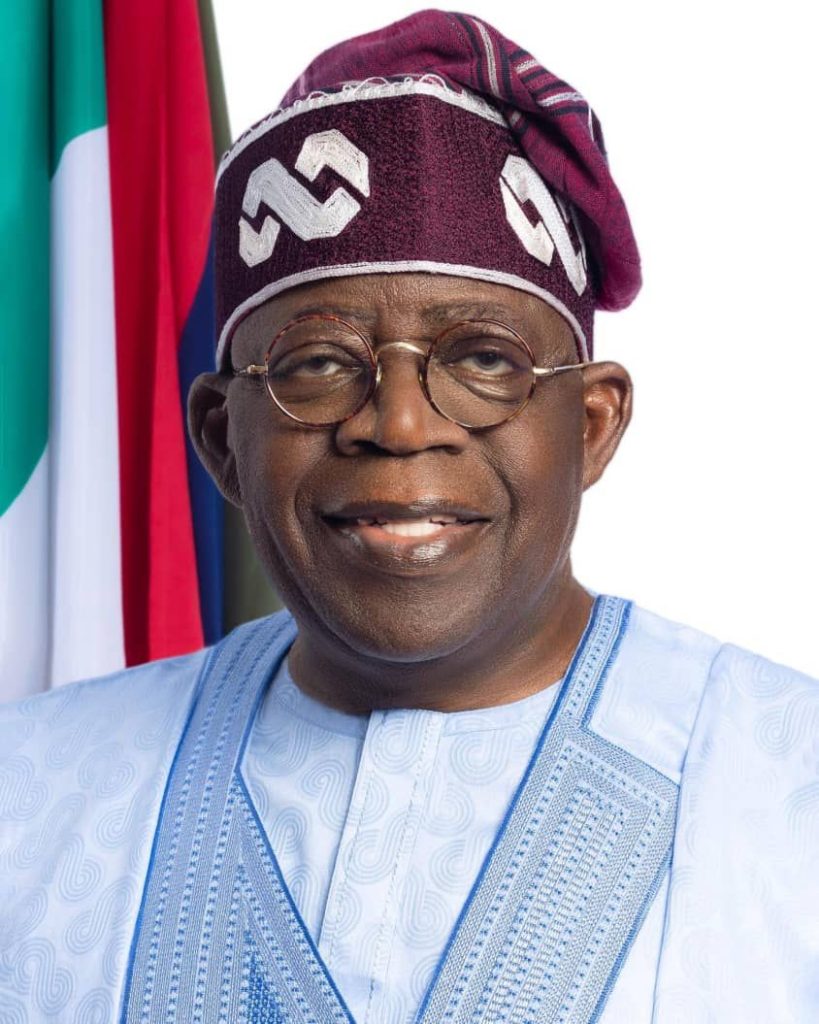
On September 16, 2023, President Bola Ahmed Tinubu took a decisive step towards deepening democratic governance and enhancing social cohesion by appointing six Senior Special Assistants on Community Engagement, representing each of Nigeria’s geopolitical zones. This bold initiative reflects President Tinubu’s strategic commitment to inclusive governance, one that ensures every voice, regardless of background or location is integrated into national decision-making processes.
The Presidential Community Engagement Strategy is a cornerstone of the administration’s broader agenda to strengthen democracy and foster long-term social stability in Nigeria and across Africa. At the heart of this strategy lies a simple but powerful principle: democracy thrives where trust exists between the government and the governed. Community engagement is, therefore, not just a governance tool but a critical mechanism for cultivating trust, fostering national unity, and delivering effective service.
As part of this initiative, the Presidential Community Engagement team established the Citizens’ Assembly for the North Central Region, an innovative platform designed to foster direct dialogue between the federal government and the people. This model has since been replicated across the remaining five regions, creating a national network of citizen-centered engagement. The Citizens’ Assembly serve as bridges between the grassroots and the presidency, channeling community feedback, aspirations, and concerns directly into policy deliberations of the Presidency, Ministries, Departments, and Agencies of the Federal Government.
The results have been transformative: communities now feel heard, included, empowered to participate in the governance process and receive targeted federal government interventions in areas such infrastructural Development, Security, Humanitarian and Health. This renewed relationship between citizens and the federal government is helping to promote national development, reduce social tensions, and strengthen Nigeria’s democratic foundations.
In the wider context of Africa, the rise of military coups reveals the consequences of failed community engagement and disconnected leadership. Across the region, political disillusionment, especially among young people, and the failure of traditional power structures to meet societal needs have created openings for anti-democratic forces. These developments underscore the urgent need for inclusive governance models that prioritize transparency, accountability, and civic participation.
President Tinubu’s Community Engagement Strategy presents a proactive response to these challenges. By reinforcing democratic norms through inclusive dialogue and participatory governance, Nigeria is setting a new standard for political stability in Africa. The strategy highlights how local engagement can serve as a shield against authoritarianism, ensuring that democracy is not only preserved but deepened.
In a country as diverse as Nigeria, this approach ensures that the federal government remains responsive to the unique realities of its communities, thereby strengthening national unity and advancing the cause of democracy across the continent.