
In a significant step toward fostering sustainable peace in Benue State, the Senior Special Assistant to the President on Community Engagement (North Central), Hon. Dr. Abiodun Essiet, PhD, convened a landmark peace dialogue bringing together Fulani representatives and farming communities from across the Benue South Senatorial District (Zone C).
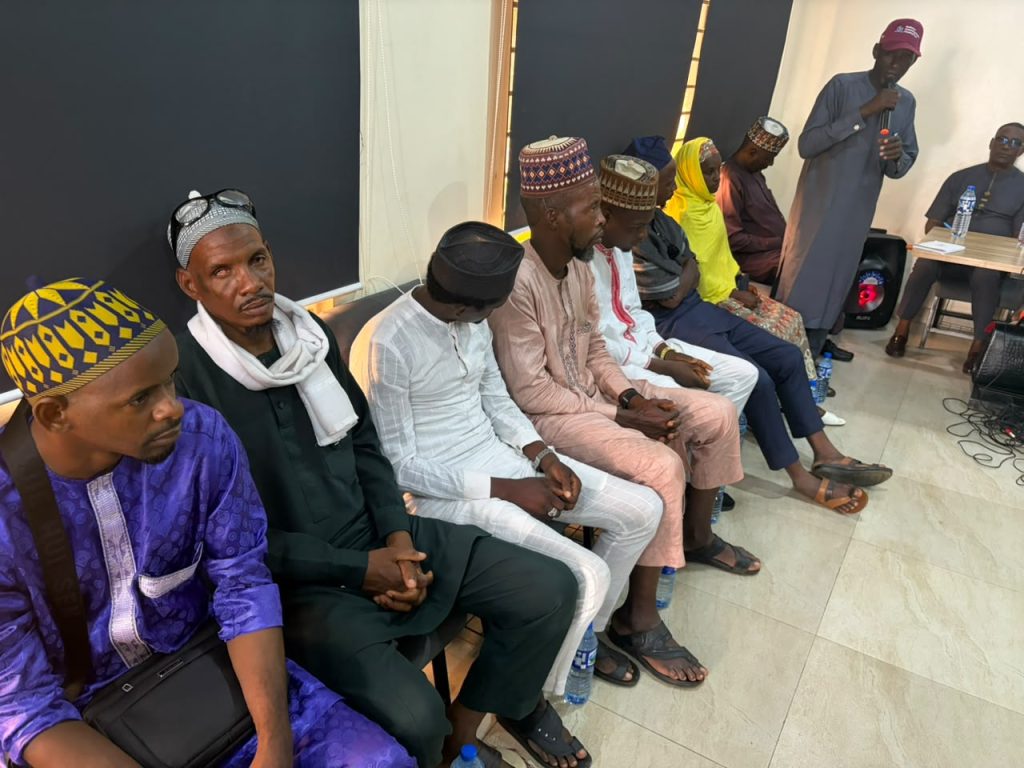
Recognizing that lasting peace cannot be achieved through blame but through sincere dialogue, mutual understanding, and shared responsibility, the meeting was intentionally designed to move beyond the aftermath of violence and address the underlying causes of the recurring herder–farmer conflict.
To ensure meaningful representation, Dr. Essiet invited Fulani representatives from each of the nine Local Government Areas in Zone C. These were respected community members who were born and raised in the area and have lived alongside their neighbours for decades. Their deep understanding of the local communities enabled them to provide valuable insights into the origins of the conflict and practical pathways toward reconciliation.
The dialogue also brought together farmers and community leaders from Agatu, Apa, Ado, Obi, Ogbadibo, Ohimini, Oju, Okpokwu, and Otukpo Local Government Areas, ensuring that every affected community had an opportunity to contribute to the discussions. The broad participation reflected the belief that sustainable peace can only be achieved through inclusive engagement and collective ownership of the peacebuilding process.
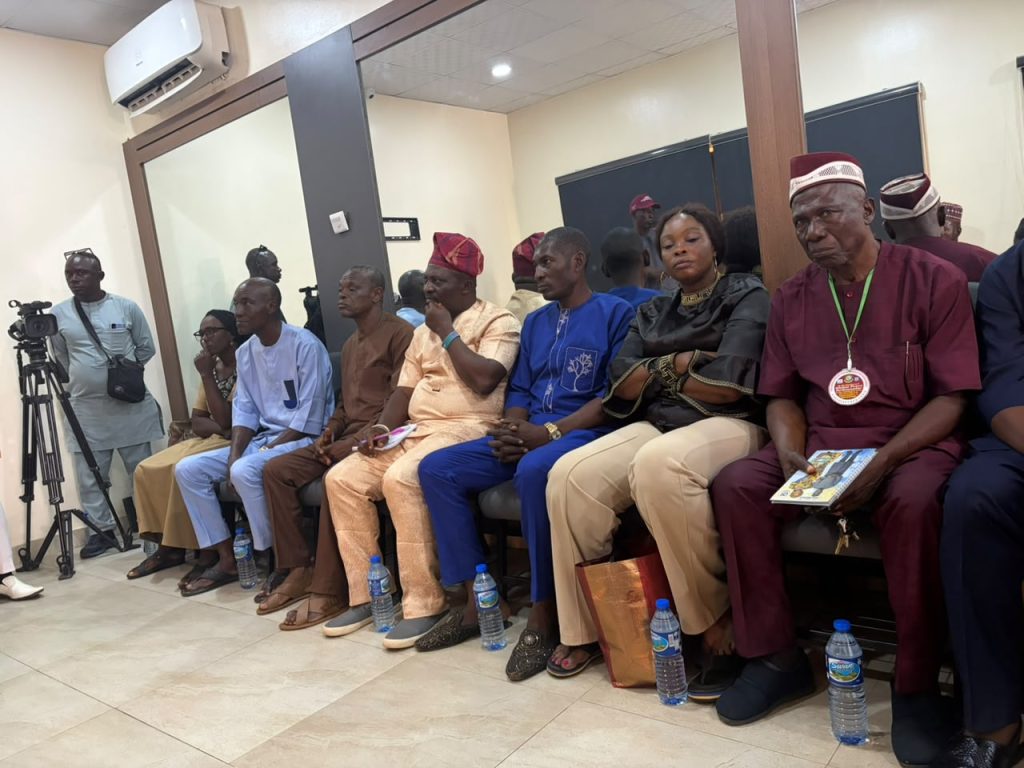
The discussions were open, honest, and solution-oriented. Participants acknowledged that while disputes over land use and grazing rights have contributed to tensions over the years, criminal elements have exploited these disagreements for personal gain, resulting in avoidable violence, destruction of property, displacement of families, and the erosion of trust between neighbouring communities.
At the conclusion of the dialogue, both herders and farmers reached a series of landmark resolutions founded on accountability, justice, and cooperation rather than blame.
The Fulani representatives unanimously pledged to intensify efforts within their communities to end the practice of child herding and night grazing. They further agreed to identify and investigate any herder found carrying illegal weapons or engaging in criminal activities capable of threatening public peace. Such individuals, they affirmed, would no longer be protected or shielded by the community but would instead be reported to the appropriate security agencies for investigation and prosecution in accordance with the law.
Similarly, representatives of the farming communities resolved that any youth or individual found attacking herders, stealing or killing cattle, or engaging in actions capable of provoking violence would likewise be reported to the relevant authorities. They agreed that every offender should face justice irrespective of ethnicity or community affiliation. The farming communities also committed to working closely with the Miyetti Allah Cattle Breeders Association of Nigeria (MACBAN) to strengthen conflict prevention and improve communication between both groups.
Speaking during the engagement, Dr. Abiodun Essiet emphasized that lasting peace can only flourish where justice is fair, impartial, and consistently applied. She urged participants not to equate the actions of criminals with entire ethnic communities, stressing that criminality has no ethnic identity and should never be used to stigmatize law-abiding citizens.
She further encouraged local government authorities, traditional rulers, community leaders, and security agencies to remain proactive by responding promptly to early warning signs and sustaining regular peace dialogues capable of preventing future conflicts before they escalate.
Dr. Essiet reaffirmed the commitment of President Bola Ahmed Tinubu’s Renewed Hope Administration to strengthening community engagement as a key pillar of conflict resolution, peaceful coexistence, and national development. She noted that every Nigerian deserves the opportunity to live, farm, conduct legitimate business, and pursue their livelihood in an environment free from fear and violence.
The resolutions reached during the meeting represent a significant milestone in rebuilding trust between farmers and herders across Benue South. More importantly, they demonstrate a shared commitment by both communities to reject criminality, embrace dialogue, and allow justice to prevail without prejudice or bias.
As the meeting concluded, participants left with a renewed sense of hope and a shared conviction that lasting peace is achievable when communities choose truth over prejudice, accountability over silence, and unity over division. The dialogue stands as a testament to the power of inclusive engagement and reinforces the Federal Government’s unwavering commitment to building a peaceful, secure, and prosperous Benue State for present and future generations.